


LEVE · Industrial-Grade Manufacturing & Global Logistics Email: will@leve-industry.com | WhatsApp: +86 13222462799
Insights

Industry Consulting & Customer Product Cases

Search articles, keep the newest update pinned at the top, and browse content with left/right controls.

Pinned / Latest Update

Latest: Field Water Transfer Layout Guide

New buyers should confirm hose size, pressure range, outlet spacing, terrain conditions and matching fittings before placing an irrigation water transfer order.

Articles & Cases

Latest Articles

Industry News2026-07-27

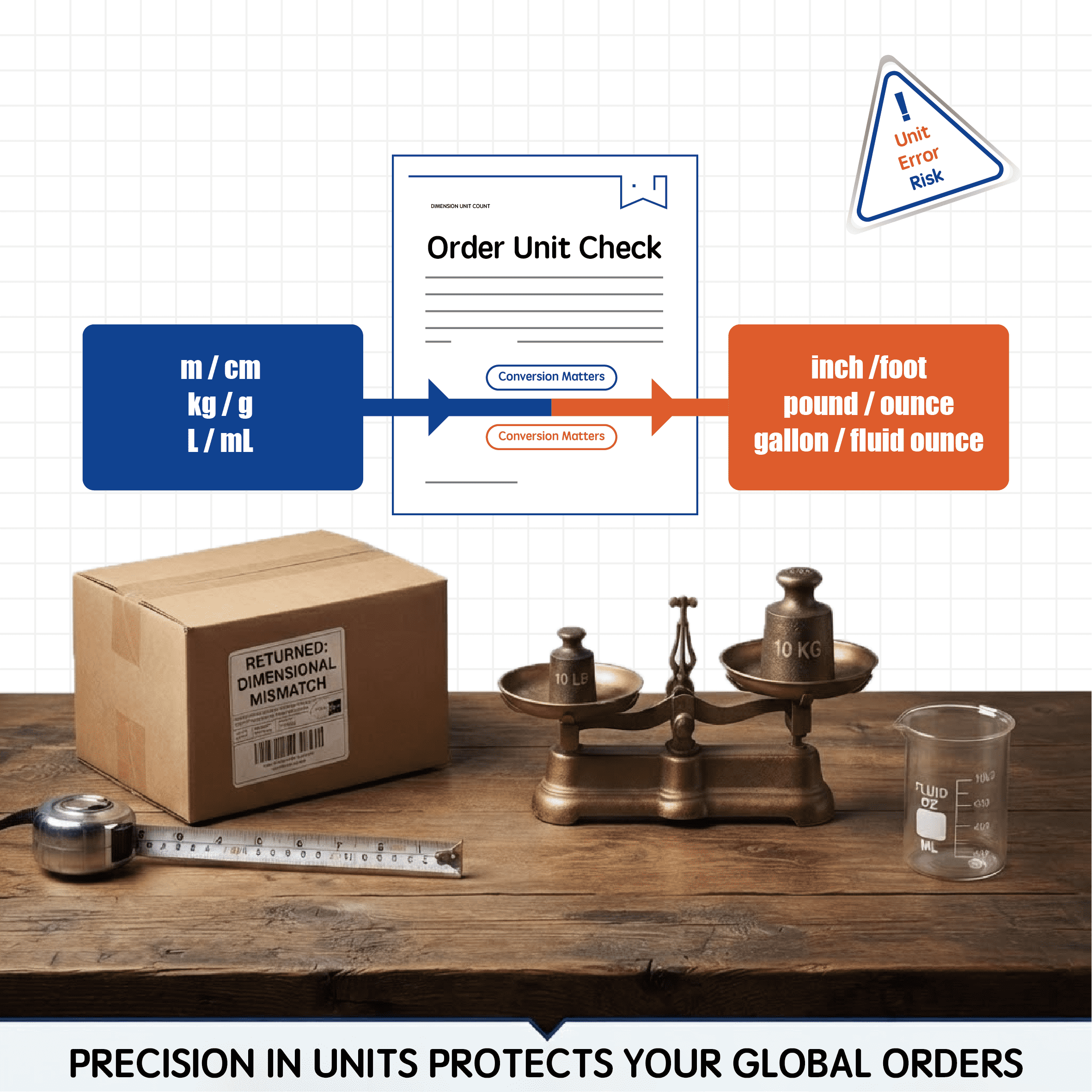
Why Inch, Centimeter, and Pound Errors Kill International Orders

Small mistakes in unit conversions—like confusing inches with centimeters or pounds with kilograms—frequently lead to costly shipping errors, customer returns, and lost international orders. Clear and accurate measurements are vital to protecting global supply chains.

Industry News2026-05-18

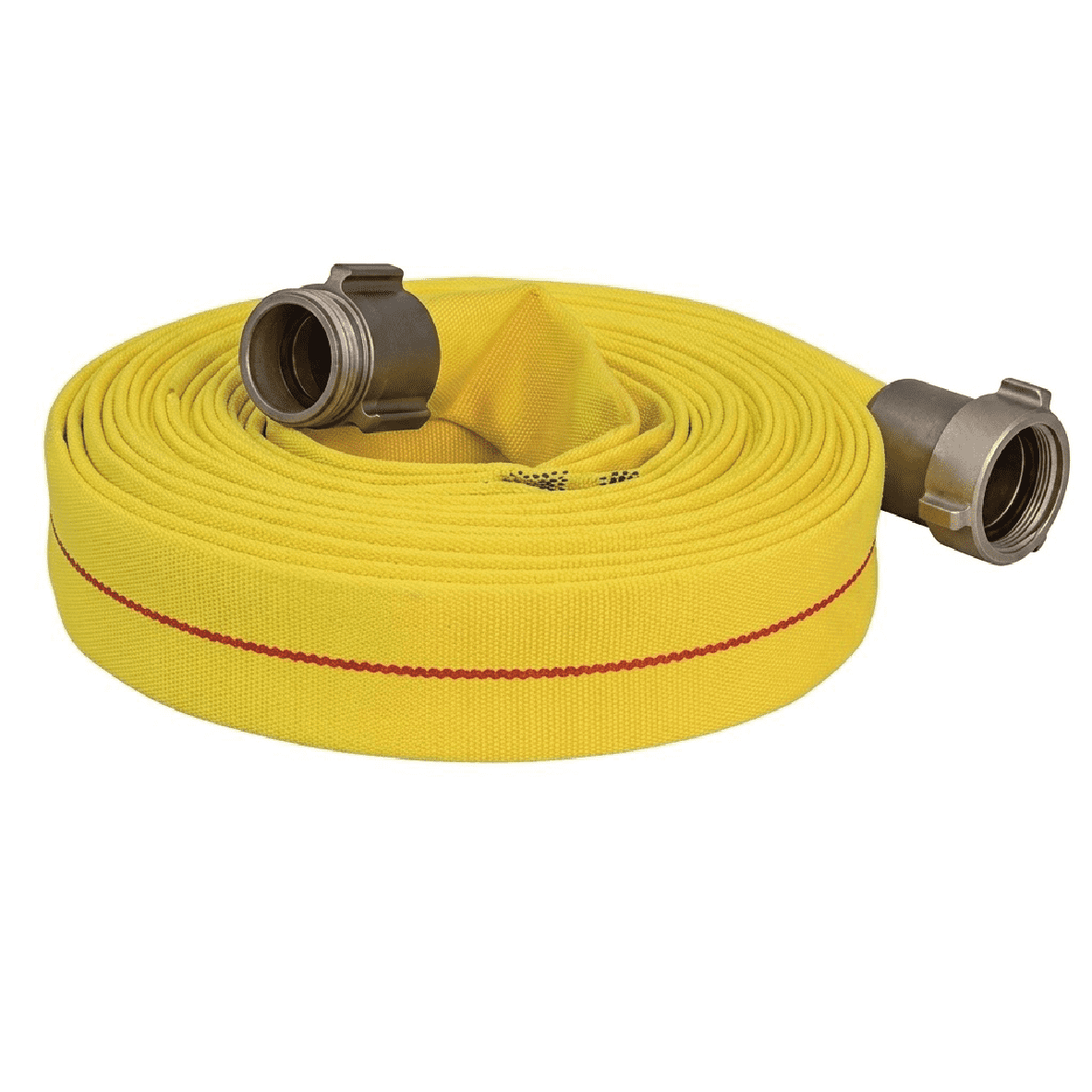
UL-401 Wildland Forest Fire Hose

The LW-FW Wildland Forest Fire Hose is built to meet strict UL-401 requirements, delivering reliable performance and safety for demanding emergency and forestry operations.

Industry News2026-04-02

Food-Grade Plastic Materials & Compliance Analysis for Fluid & Storage Systems

Selecting the right material for flexible hoses, water storage, and fluid components requires balancing regulatory compliance with real-world performance. Here is a practical look at common polymers, how they achieve food-grade safety, and how to address key operational challenges.

Client Cases2026-03-20

Temporary Water Storage for Remote Operations

Foldable water bladder tanks can support remote storage, temporary irrigation and emergency water reserve projects.

Client Cases2026-03-08

Custom Outlet Assembly for Field Irrigation

Outlet spacing, connector type and branch valves were matched to crop row layout and seasonal deployment needs.

Client Cases2026-02-22

Machined Transition Parts for Waterworks Repair

Steel transition adaptors were produced from drawing and confirmed dimensions for a non-standard repair project.

No matching insight found. Try another keyword.
Industry News2026-07-27

Why Inch, Centimeter, and Pound Errors Kill International Orders

In international trade, unit specification differences between metric and imperial systems are a frequent yet underestimated cause of order errors, disputes and profit losses. Size, weight and capacity unit standards directly affect quotation accuracy, production compliance and delivery recognition across global markets. For foreign trade practitioners, mastering common unit conversions and regional usage habits is essential for stable order delivery and rational market judgment.

Most overseas order rejections do not stem from poor product quality, but from inaccurate unit conversion. Core industry fixed conversions are widely applied: 1 inch = 2.54 cm, 1 foot = 30.48 cm, 1 US gallon ≈ 3.785 L, 1 fluid ounce ≈ 29.57 mL. Many factories only follow domestic metric standards and ignore client imperial requirements. For example, a pipe exporter misproduced a 2-meter pipe for a 78.74-inch European order relying on experience instead of precise conversion, resulting in full-batch rejection and heavy rework and shipping losses. Similarly, daily chemical exporters often face complaints: a standard 5-gallon product (≈18.925 L) once filled only 15 L due to conversion negligence, causing payment deduction and terminated long-term cooperation. Garment export returns are also frequently triggered by mixed inch and centimeter sizing.

Weight unit mistakes are more likely to cause direct profit losses. Key conversions include: 1 pound ≈ 0.4536 kg, 1 kg = 2.2046 pounds, 1 ounce ≈ 28.35 g. In bulk raw material and fresh product trades, tiny conversion errors will be hugely magnified. A typical case is a trading company that prepared 1,000 kilograms of goods for a 1,000-pound U.S. supermarket order, causing severe overstock and extra warehousing costs. Sales teams often make two common mistakes: converting metric prices directly to imperial units leads to overquotation and lost orders, while underquotation causes net losses. In small-batch retail business, inaccurate gram-ounce conversion slows down order verification and gradually loses customer trust and repeat orders.

Unit adaptability is a basic threshold for entering segmented overseas markets. The metric system is mainstream in China and over 150 countries, while the U.S. and UK markets strictly adopt imperial units for contracts, product labels and packaging. Many new sales lose orders simply because they only provide metric data, failing to match local client habits. Mature export enterprises uniformly convert specifications according to target markets on quotations and documents, greatly improving order pass rates. Sticking to a single measurement system will inevitably limit overseas market expansion.

In homogeneous foreign trade competition, standardized unit management has become a hidden competitive advantage. Many manufacturers suffer batch returns and reputation damage due to inconsistent conversion standards across production batches. By contrast, excellent enterprises unify internal conversion rules and add double verification in order review and delivery links. This simple refined management effectively avoids operational risks, reduces unnecessary losses and builds professional credibility with clients.

In short, unit specification differences run through the whole order process. For foreign trade enterprises, standardized conversion processes and market-adaptive unit usage are not trivial details, but core guarantees to stabilize orders, control costs and maintain long-term competitiveness in cross-border markets.

Industry News2026-05-18

UL-401 Wildland Forest Fire Hose

The LW-FW Wildland Forest Fire Hose is built to meet strict UL-401 requirements, delivering reliable performance and safety for demanding emergency and forestry operations.

Key Features

High-Visibility Yellow: Features a bright yellow exterior for quick recognition and safety in low-visibility environments.

Durable Polyester Jacket: Outfitted with a high-tenacity polyester single-jacket that provides strong abrasion resistance and durability in rough terrain.

Universal Deployment: Designed with universal couplings and standard diameters (1.0 inch / 25mm and 1.5 inch / 40mm) for fast deployment in the field.

High Pressure Performance: Offers a 300 PSI service test pressure and a 900 PSI burst pressure to handle extreme operating conditions.

Lightweight Design: Features a lightweight profile that reduces operator fatigue and makes transport easier in remote areas.

Certification & Standards Interpretation (LW-FW Wildland Fire Hose)

The LW-FW wildland fire hose aligns with key international standards to ensure safety and reliability in the field:

UL (Underwriters Laboratories / UL-401): Conforms directly to UL 401 standards. This ensures the hose passes rigorous testing for structural integrity, burst pressure resistance (900 PSI), and durability under heavy use.

FM (Factory Mutual): Focuses on property loss prevention and industrial risk standards, assuring buyers of the hose's reliability in stopping fire spread.

NFPA (National Fire Protection Association): Aligns with the core codes required by professional wildland fire departments for equipment performance and safety.

CE (Conformité Européenne): Indicates compliance with European health, safety, and environmental regulations for high-pressure fluid equipment.

BS (British Standards): Ensures technical alignment for international coupling compatibility and strict quality control.

Industry News2026-04-02

Food-Grade Plastic Materials & Compliance Analysis for Fluid & Storage Systems

Selecting the right material for flexible hoses, water storage, and fluid components requires balancing regulatory compliance with real-world performance. Here is a practical look at common polymers, how they achieve food-grade safety, and how to address key operational challenges.

Common Polymers & Achieving Food-Grade Status

PVC (Polyvinyl Chloride): Standard industrial PVC relies on heavy additives and plasticizers. Food-grade PVC replaces these with non-toxic, eco-friendly plasticizers, ensuring the formulation is completely Phthalate-Free and BPA-Free under FDA and EU 10/2011 standards.

PP (Polypropylene) & PET (Polyethylene Terephthalate): Naturally suited for food contact due to their crystalline structure. Reaching strict compliance depends on using 100% virgin resins, eliminating heavy-metal pigments, and removing catalyst residues during production.

TPU (Thermoplastic Polyurethane): High-grade polyether and aliphatic TPUs offer strong natural biocompatibility. Food-grade TPU uses FDA-compliant formulations that exclude toxic heat stabilizers and heavy-metal catalysts.

EPDM (Ethylene Propylene Diene Monomer): Standard EPDM uses sulfur curing, which leaves behind odor and chemical residues. Food-grade EPDM relies on peroxide-cured processing to eliminate volatile byproducts (verified via FDA 21 CFR 177.2600).

Silicone: Achieves top-tier safety specifically through platinum-curing, completely eliminating chemical leaching and unwanted odors.

Performance Trade-Offs

PVC: Cost-effective and flexible, but faces buyer skepticism regarding plasticizer safety and long-term environmental concerns.

PP & PET: Rigid, highly stable, and economical, but lack the flexibility needed for collapsible bladders or flexible tubing.

TPU: Outstanding resistance to abrasion, tearing, and punctures. However, TPU can be vulnerable to microbial growth in long-term damp environments if untreated.

EPDM: Exceptional sealing integrity and temperature resistance, though its high-friction surface makes it better suited for gaskets and connectors rather than large fluid-contact areas.

Silicone: Superior temperature performance and non-toxicity, balanced by higher material costs and lower tensile strength compared to TPU.

Overcoming Challenges & Compliance Risks

Addressing PVC Perception: Provide full transparency through third-party lab testing (SGS, Intertek, or TÜV Rheinland) to explicitly verify BPA-Free and Phthalate-Free compliance.

Enhancing TPU Hygiene: Counteract potential bacterial buildup in wet environments by integrating silver-ion or copper-ion antimicrobial additives into the TPU matrix.

Ensuring Resin Purity: Maintain strict quality control by using certified virgin polymers and avoiding recycled regrind across all food-contact manufacturing lines.

Client Cases2026-03-20

Temporary Water Storage for Remote Operations

Foldable water bladder tanks can support remote storage, temporary irrigation and emergency water reserve projects.

This case format can be edited with project photos, capacity information and installation notes.

Client Cases2026-03-08

Custom Outlet Assembly for Field Irrigation

Outlet spacing, connector type and branch valves were matched to crop row layout and seasonal deployment needs.

Use this detail page for customer site context, product choices and final project outcome.

Client Cases2026-02-22

Machined Transition Parts for Waterworks Repair

Steel transition adaptors were produced from drawing and confirmed dimensions for a non-standard repair project.

Article details can include material, process, coating and shipment notes.

Request A Quote

Send the pipe size, pressure and fitting details.

For faster quotation, include your application, drawings, photos, expected quantity and shipment destination.

  • Layflat hose size, wall thickness and pressure requirement
  • Water bladder capacity, liquid type and fitting position
  • Metal part material, standard, coating and drawing file
  • Packaging, branding and export documentation requirements